

Welcome to the world of cookieless targeting strategies. As digital advertising evolves, understanding cookieless solutions is essential for staying ahead. This guide will introduce you to the key concepts and provide practical steps to get started.
The Basics
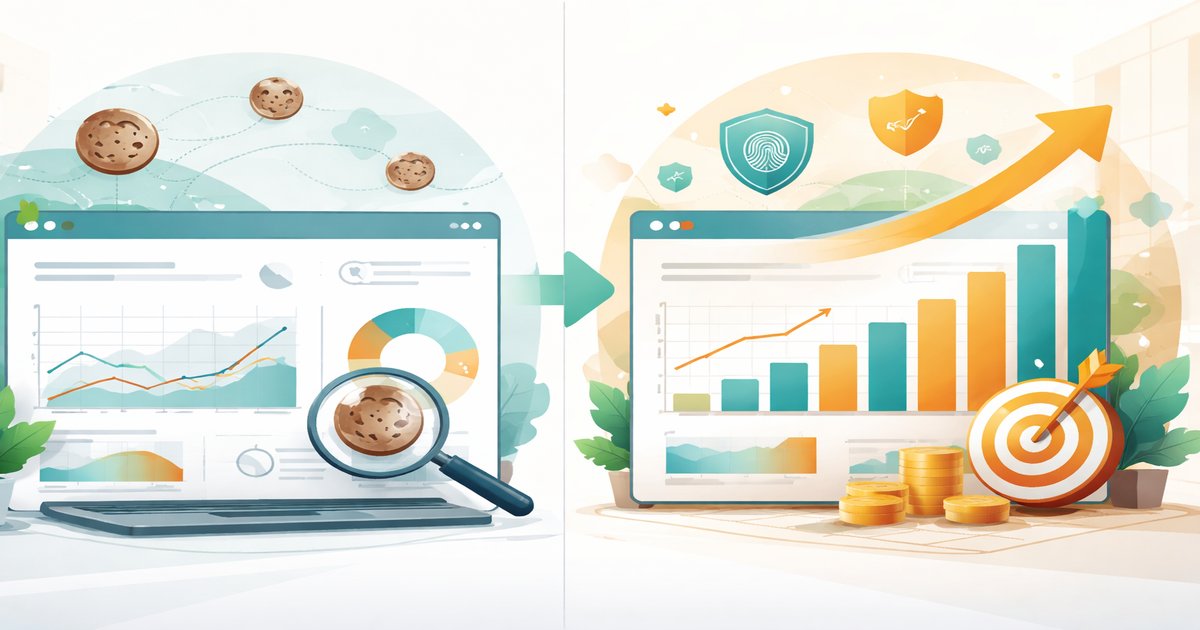
In the shifting landscape of digital advertising, cookieless targeting strategies are becoming increasingly important. This approach refers to targeting users without relying on third-party cookies, which have been a staple in tracking user behavior and serving personalized ads. With browsers like Safari and Firefox already blocking third-party cookies by default, and Google Chrome planning to phase them out, the need for alternative targeting methods is urgent. Cookieless strategies leverage first-party data, contextual advertising, and innovative technologies like identity graphs and clean rooms. The focus is on privacy-first solutions that respect user consent and comply with regulations like GDPR and CCPA. By understanding these foundational elements, you can start to develop strategies that maintain user engagement and ad effectiveness in a cookie-restricted environment.
- Understand First-Party Data: Begin by harnessing the data you collect directly from your users. This includes purchase history, website interactions, and email sign-ups. Make sure your data collection practices comply with privacy laws.
- Leverage Contextual Advertising: Contextual targeting involves placing ads based on the content of the page rather than user behavior. Tools like natural language processing (NLP) can help you understand and match context effectively.
- Explore Identity Solutions: Consider using identity solutions such as Unified ID 2.0, which rely on hashed email addresses or phone numbers to build user identities without third-party cookies.
- Implement Privacy-First Approaches: Utilize platforms and solutions that prioritize user privacy, offering consent management tools and privacy audits to ensure compliance with privacy regulations.
- Test and Optimize: Continuously test the effectiveness of your cookieless strategies. Use A/B testing to compare with previous cookie-based campaigns and optimize based on performance.
Terms You’ll Hear
| First-Party Data | Data collected directly from your audience, such as through website interactions, app usage, or CRM systems. |
| Contextual Advertising | Ad placement strategy that targets users based on the content of the page being viewed, rather than personal data. |
| Identity Graph | A database that connects user identifiers across different devices and channels to create a unified profile. |
| Clean Room | A secure environment where multiple data sets can be matched and analyzed without exposing raw data between parties. |
| Unified ID 2.0 | An open-source framework for identity solutions that uses first-party data like email addresses in a privacy-compliant way. |
Where to Go From Here
Now that you have a foundational understanding of cookieless targeting strategies, it’s time to delve deeper into specific technologies and platforms. Consider attending industry webinars or joining workshops focused on cookieless solutions. Networking with peers who are navigating these changes can offer invaluable insights. Additionally, keep an eye on technological advancements and updates from major browsers that impact the use of cookies. Experiment with different approaches to see what works best for your audience and continually adapt your strategies as the digital landscape evolves. Staying informed and flexible will be key to thriving in a cookieless world.
What is a cookieless future?
A cookieless future refers to a digital landscape where third-party cookies are no longer used for tracking and targeting users, prompting advertisers to find alternative methods.
How does contextual advertising work?
Contextual advertising works by analyzing the content on a webpage and displaying ads that are relevant to that content, without needing to know the user’s browsing history.
Why is first-party data important in cookieless targeting?
First-party data is critical because it’s collected directly from users, giving you more accurate insights and allowing you to build trust with users by handling their data responsibly.