
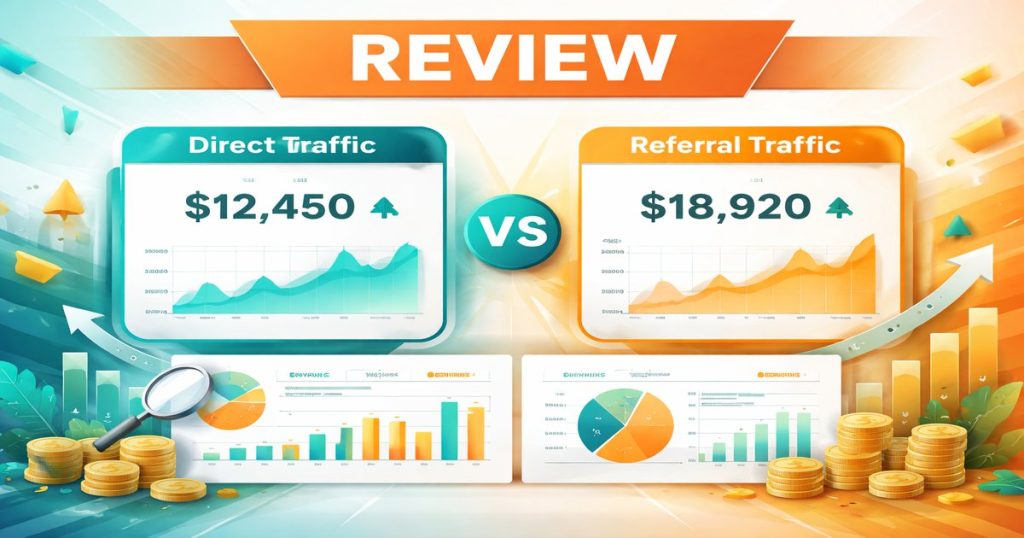
When evaluating the value of web traffic, understanding the difference between direct and referral traffic is essential. Many publishers and advertisers misinterpret these metrics, leading to misguided strategies that can hinder revenue growth and optimization efforts.
Mistake #1: Overvaluing Direct Traffic
One common mistake is assuming that all direct traffic is inherently more valuable because it implies intentionality. However, direct traffic can often be misclassified, such as when URL tracking parameters are stripped away, or when users come from untagged offline campaigns. To accurately assess its value, segment your direct traffic. Use campaign URL builders and ensure robust UTM tracking on all digital assets. This allows for more precise classification, giving you insight into user behavior and interaction directly attributable to your efforts.
Mistake #2: Ignoring Quality of Referral Traffic
Referral traffic is sometimes dismissed as less valuable because it can originate from seemingly irrelevant sites. However, the quality of this traffic can be assessed by looking at engagement metrics like time on site, pages per session, and conversion rates. Use analytics tools to segment referral sources and analyze these metrics closely. Prioritize partnerships and referral sources that yield higher engagement, even if their volume is lower. This strategic focus can significantly enhance the overall quality of your traffic.
Mistake #3: Overlooking Referral Spam
Referral spam can inflate your analytics data and lead to misguided assumptions about traffic quality. This occurs when bots artificially increase your traffic numbers, skewing data. Use tools like Google Analytics’ referral exclusion list and filters to keep spam out of your reports. Regularly audit your traffic sources and maintain a list of known spam domains. This ensures that your referral traffic data remains clean and meaningful, allowing for more accurate strategic decisions.
Mistake #4: Neglecting Landing Page Optimization
Many assume that traffic will naturally convert without optimizing the landing experience. Direct and referral traffic may require different landing page strategies due to their varying expectations and behaviors. Test different landing page layouts and content for each traffic type. Employ A/B testing to refine the user experience, ensuring that each visitor segment finds content that resonates with their entry point. This targeted approach can substantially increase your conversion rates and overall traffic value.
Mistake #5: Failing to Analyze Traffic Lifetime Value
Focusing solely on immediate conversion rates can lead to missed opportunities to cultivate lasting relationships with visitors. Traffic that may not convert on the first visit can still have a high lifetime value if nurtured correctly. Use CRM systems to track user engagement over time, and implement retargeting campaigns. By measuring the lifetime value of your traffic, you can better allocate resources towards nurturing high-potential segments, ultimately boosting your long-term profitability.
Most common mistake: Overvaluing direct traffic without proper segmentation.
Quick fix: Implement comprehensive UTM tracking for more accurate traffic source attribution.
How to Get It Right
To properly evaluate and enhance the value of direct and referral traffic, employ a holistic approach to analytics. First, ensure all campaigns utilize UTM parameters to track performance accurately. Next, regularly review your analytics to differentiate genuine traffic from spam. Engage in rigorous testing of landing pages, tailoring the experience to suit the expectations of different traffic types. Finally, measure the lifetime value of traffic by tracking user engagement over time, and leverage this data to refine your marketing strategies. By taking these steps, you can derive a comprehensive understanding of each traffic source’s contribution to your goals, allowing for informed, effective decision-making.
How can I better classify my direct traffic?
Use UTM parameters on all your marketing links and track where your visitors are coming from. Implementing this practice will help reduce instances of misclassified direct traffic.
What tools help identify referral spam in analytics?
Google Analytics offers features like referral exclusion lists and filtering options to clean your data. Regularly update these lists based on known spam domains to maintain data integrity.
How do I measure the lifetime value of my traffic?
Integrate your analytics platform with a CRM to track customer interactions over time. Use this information to assess conversion metrics, retention rates, and overall engagement, giving you a comprehensive view of traffic value.